Specialty Pants
The Center for Baby and Adult Hygiene Products is the only U.S.-based organization dedicated to advancing the personal absorbent hygiene products industry in North America
Overview of Specialty Pants
Specialty Pants are disposable products designed for specific uses for babies, toddlers, and youth, offering convenience and hygiene, including training pants, swim diapers, and overnight disposal underwear.
Differences Between Specialty Pants and Traditional Diapers
Specialty Pants and traditional diapers serve different purposes and are designed for specific needs.
Specialty Pants
Purpose: These are designed for specific activities or conditions, such as potty training, swimming, or incontinence care.
Target User: Often intended for babies, toddlers, or older children with specific needs, such as potty training or incontinence.
Traditional Diapers
Purpose: Primarily designed to absorb and contain urine and stool for infants and toddlers, keeping them dry and preventing leaks.
Target User: Targeted mainly at babies and toddlers who are not yet potty trained.
Types of Benefits of Specialty Pants
Training Pants
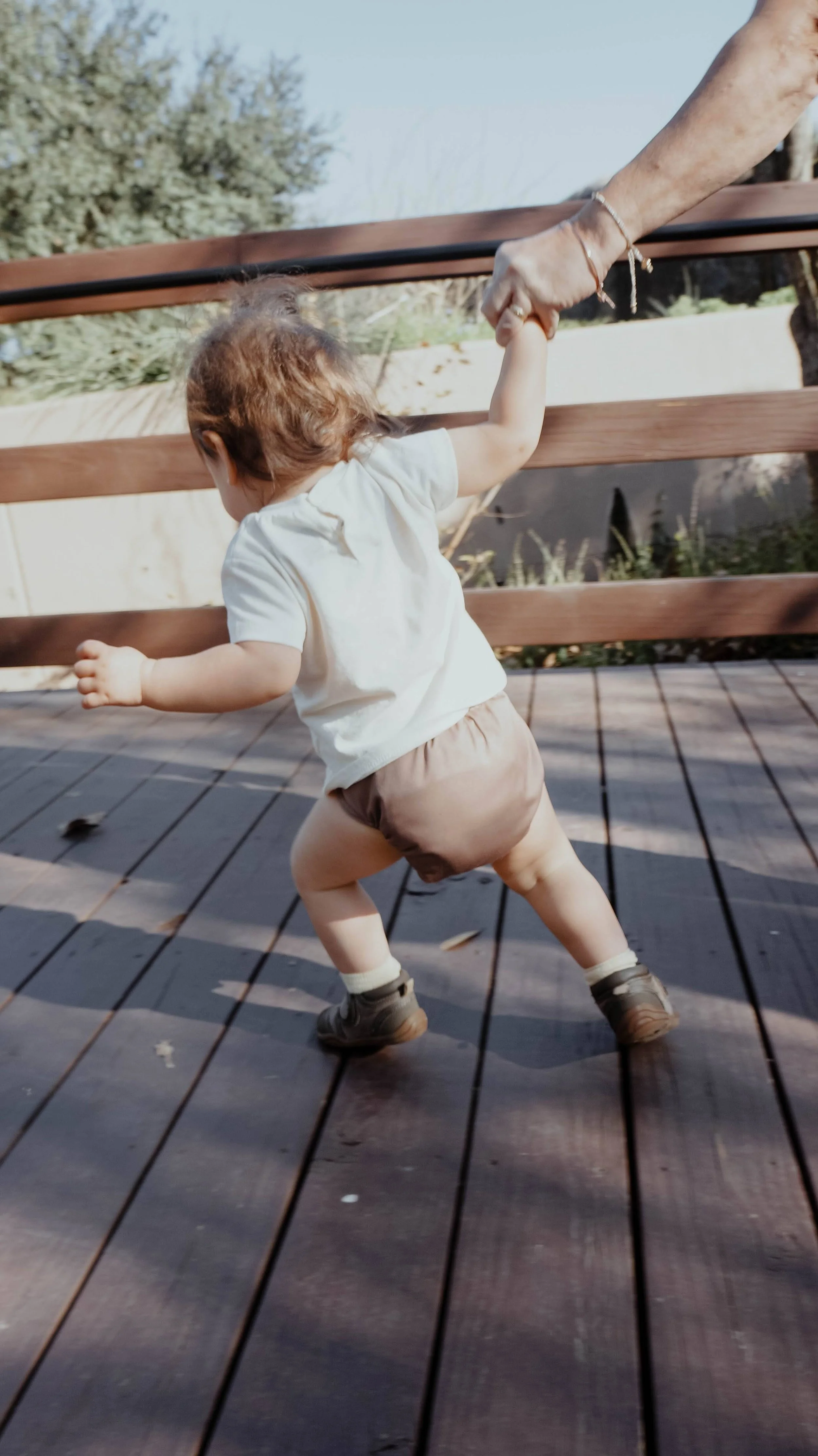
Special underwear designed for toddlers who are learning to use the potty. They are easy for kids to pull on and off, making it simpler for them to go to the bathroom on their own. These pants are absorbent, helping to keep kids dry in case of accidents, while also being comfortable and soft. They help make potty training a little easier and less messy for both kids and parents.
Swim Diaper
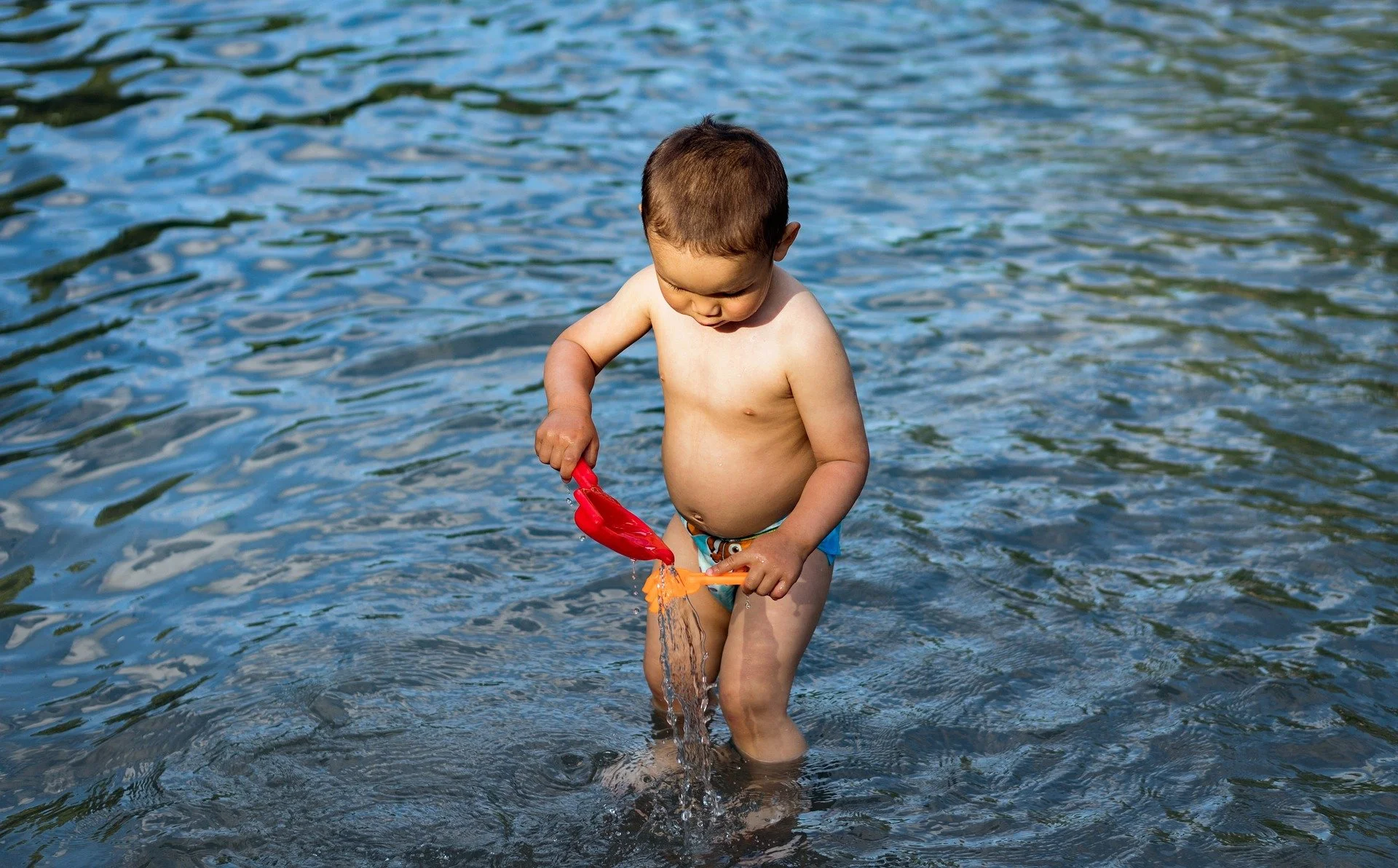
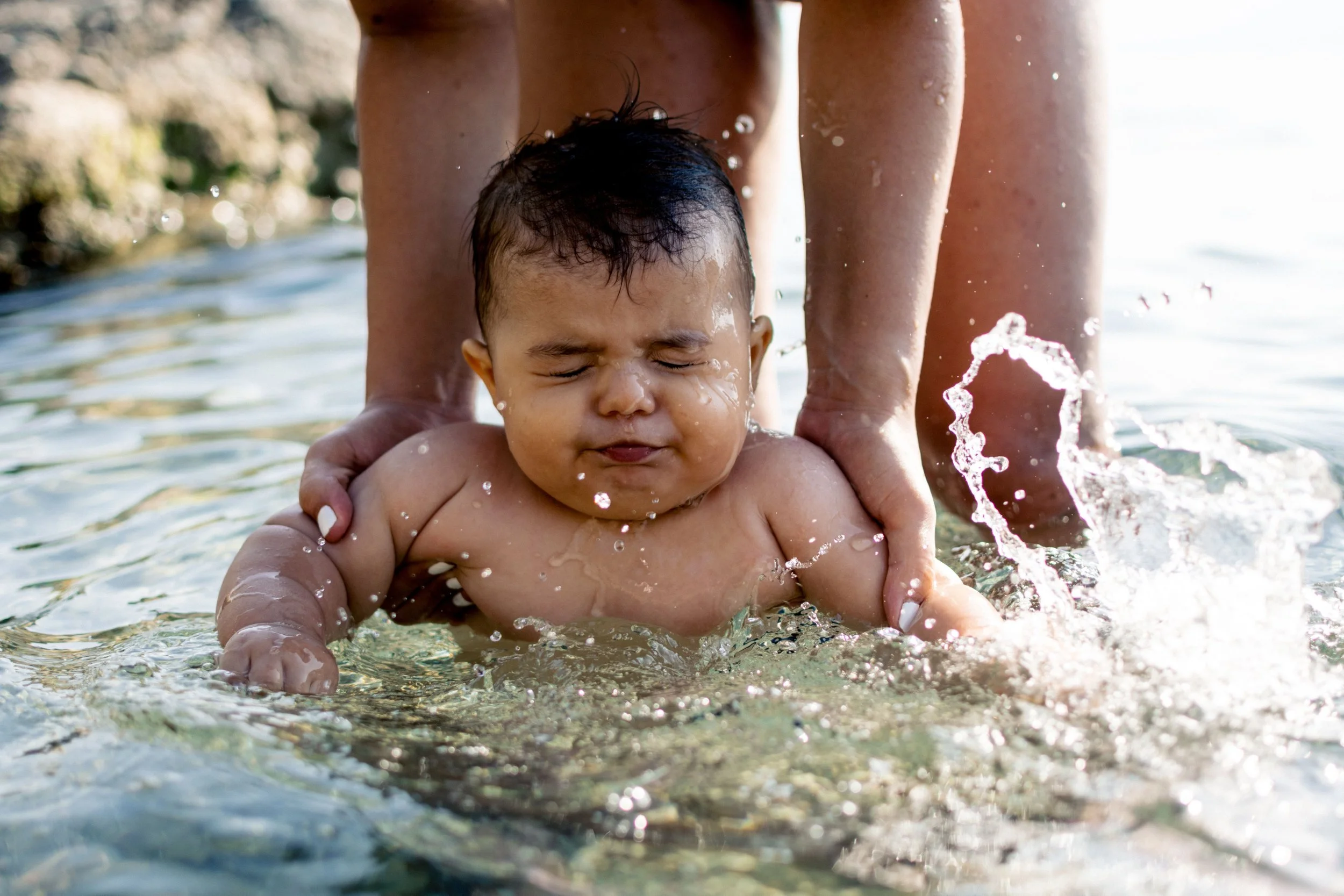
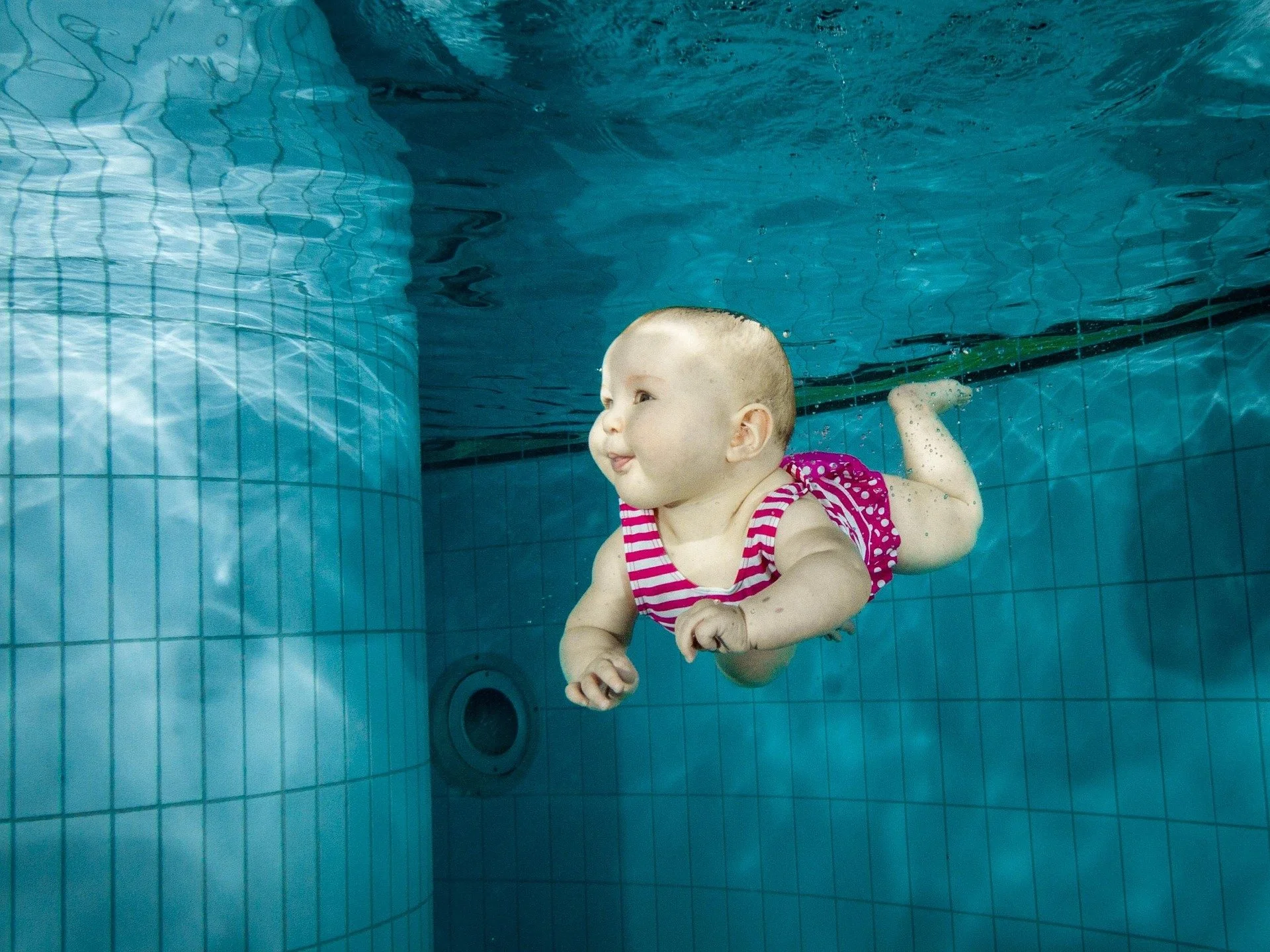
A special type of diaper designed for babies and toddlers to wear when they go swimming. Unlike regular diapers, swim diapers are made to prevent leaks in the water while still being lightweight and comfortable. They do not absorb water, which helps keep the baby safe and happy in the pool or at the beach.
Overnight Disposal Underwear
For older children with incontinence issues at night, specially designed to help keep them dry while they sleep. These underwear are comfortable and fit like regular underwear, but they have extra absorbency to prevent leaks. They help give kids confidence, discreet protection, and allow them to enjoy a good night's sleep without worrying about accidents.

Sizing and Fit
All children vary in shape and size in addition to weight. Especially as children age and their bodies begin to lose that “baby” shape. To choose the right size of specialty pants for babies, toddlers, or older children, follow these steps.
Measure Your Child: Measure babies’, toddlers’, or older children’s weight.
Consider Weight Range: Specialty pants often have weight ranges for each size. Ensure your child's weight falls within the recommended range for the size you choose.
Look for Stretch and Comfort: Choose specialty pants with elastic waistbands for a comfortable fit that allows for movement. Ensure they aren’t too tight or too loose.
Test for Fit: If possible, try a sample of the pants on your child. They should fit snugly without causing discomfort, and the leg openings should not be too tight. he water. Under these conditions, the organ
Materials and Construction
Specialty Pants are typically made from lightweight, breathable, and absorbent materials designed for specific uses. Common materials include:
Non-Woven: Soft and comfortable against the skin.
Polymer Absorbents: These materials help lock in moisture and prevent leaks.
Elastic Waistbands: Provide a snug fit without being too tight, allowing for ease of movement.
Waterproof Barriers: Often included to prevent leaks and protect clothing or bedding.
While both Specialty Pants and Diapers are designed to manage moisture and prevent leaks, Specialty Pants cater to older users or specific activities with a focus on comfort, discretion, and specific purpose, whereas diapers are made for infants and toddlers to avoid leakage and promote good skin condition.

When to Use Specialty Pants
Training Pants: For children who are in potty training, Training pants can offer protection during this phase and still provide the benefit of pulling up and down like underwear.
Swim Diapers: Should be used when taking infants or toddlers to swimming pools, beaches, water parks, or splash pads to contain any accidents and maintain hygiene in the water.
Overnight Disposal Underwear: When older children experience urinary incontinence, especially at night, overnight disposal underwear provides a discreet and comfortable solution to manage leaks.