
Diapers Environmental Impact
The Center for Baby and Adult Hygiene Products is the only U.S.-based organization dedicated to advancing the personal absorbent hygiene products industry in North America

Diapers & the Environment
The Center for Baby and Adult Hygiene Products (BAHP) believes in constantly working to reduce products’ environmental impact, and product innovation has been at the heart of the industry’s environmental improvement. We believe environmental stewardship is an integral part of making high-quality products.
Environmental Stewardship. BAHP members look at many different ways diapers impact the environment. Learn more about them.
Diapers and Solid Waste Disposal. Diapers are compatible with all common methods of solid waste management. Learn more about the methods and the diapers’ impact.
Landfills. Learn more about how diapers act in a landfill.
Environmental Stewardship
BAHP members are committed to:
Using raw materials that are safe for consumers and the environment
Ensuring products are compatible with common forms of solid waste management
Using life cycle assessment (LCA) methodology to identify ways to improve their products’ interactions with the environment
Providing information about their products so that consumers can make informed decisions
The Future. The Center for Baby and Adult Hygiene member companies are proud of their record on environmental stewardship and mindful of their ongoing responsibilities. They will continue to look for ways to reduce their products’ environmental impact through innovations in materials, design, manufacturing, and packaging.
Diapers and the Environment References
Diapers and Solid Waste Disposal
Solid Waste Management in the U.S.
Municipal solid waste is composed of all of the things we throw away each day. These include common items like packaging, food scraps, yard waste, furniture, magazines and mail, appliances, and disposable diapers. Diapers make a small contribution to solid waste. In most regions of North America, many common household items are present in much larger quantities. Diapers can be disposed of in any common solid waste management system.
According to the U.S. Environmental Protection Agency (EPA), Americans generated about 181 million tons of landfilled trash and incinerated municipal solid waste (MSW) in 2018. The chart below shows an overview of our trash before any recycling occurs. More details can be found in Facts and Figures about Materials, Waste and Recycling, published by EPA in 2018.
Historically, the discussion about diapers and the environment has focused on their contribution to landfills. According to the EPA’s most recent data, adult and infant disposable diapers accounted for about an estimated 1.4% of total municipal solid waste generated in 2018. For comparison, other categories of household solid waste include:
28.1% – Containers and Packaging
17.3% – Nondurable Goods
19.5% – Durable Goods
21.6% – Food Scraps
12.1% – Yard Trimmings
1.4% – Diapers
Source: Facts and Figures on Materials, Wastes and Recycling; National Overview, United States Environmental Protection Agency, 2018

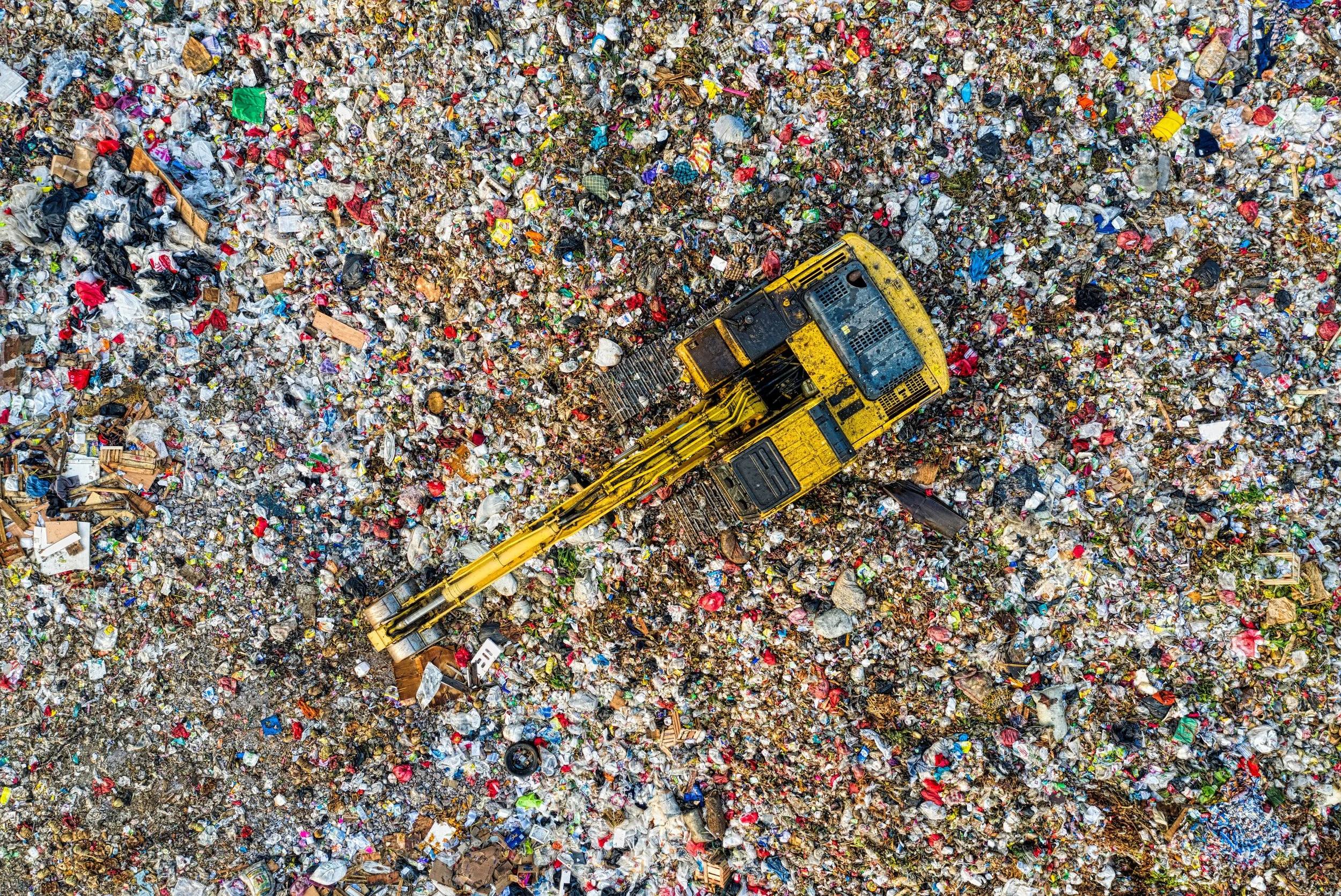
Dr. Rathje also noted that one of the major myths about garbage is that diapers are a major constituent of landfills. People who were polled estimated that disposable diapers occupied somewhere between 5 and 40 percent of landfill space. But Dr. Rathje’s excavations showed that diapers were less than one percent by weight and less than 1.5 percent by volume of the waste in landfills. (Rathje, W. L., and C. Murphy. Rubbish!: The Archaeology of Garbage. New York: Harper Collins, 1992.)
Research continues on ways to recover energy from landfills. All landfills generate methane gas through biodegradation, and most simply vent that gas into the atmosphere or burn it off as waste heat. However, a few landfills have been designed to beneficially capture the methane emissions, which can be used to produce renewable energy. Modern landfills have specially designed liners to prevent water seepage and a system of drains and pumps to circulate the water. Under these conditions, the organ
Landfills
Many questions about diapers have focused on their disposal in landfills, and modern landfills are designed to minimize their environmental impact. They are built on engineered drainage basins with effluent catchment and treatment systems. They are operated to prevent contamination of groundwater and surface water, prevent release of methane gas, and prevent unstable soil conditions. In most landfills, garbage is added in a series of layers and covered with heavy soil to prevent water from seeping through and percolating into underground water.
Like other forms of solid waste, diapers are easily compressed when landfilled. Neither the diaper’s ingredients, nor the baby waste they contain, can leach out from modern landfills.
Led by Professor of Anthropology at the University of Arizona, Dr. William Rathje, the Garbage Project excavated over 20 landfills and found that it takes a long time for anything (paper, yard waste, and even food) to decompose in a landfill.
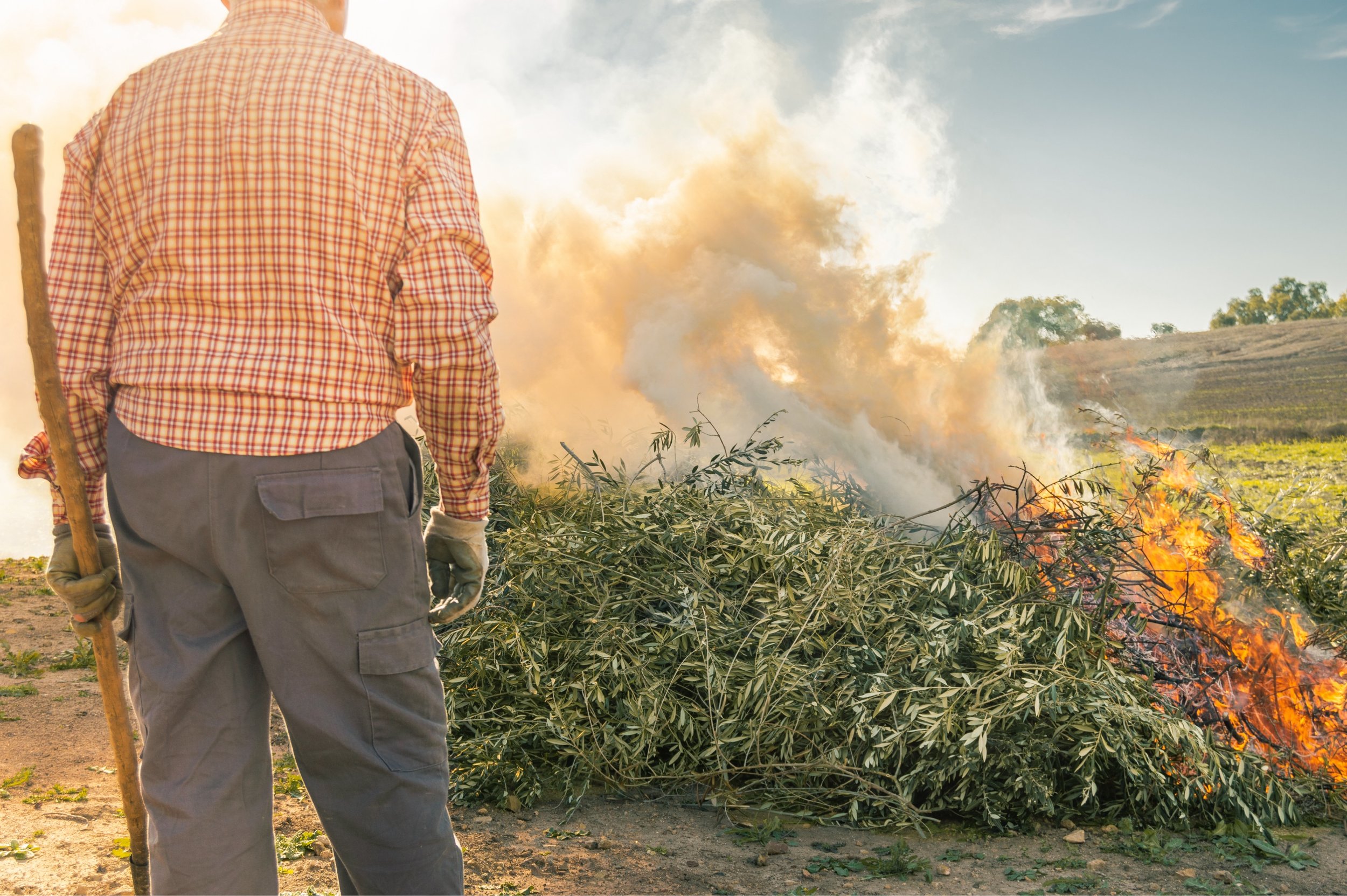
Incineration
Incineration is possible in a controlled environment.
Diapers, like all non-yard waste, should not be burned in an uncontrolled setting like your backyard or by an untrained individual.
However, burning or incineration in an approved and controlled environment is appropriate, including the use of incinerators designed for energy recovery. The materials used to make disposable diapers are commonly used materials that do not form unusual or uniquely toxic emission products.
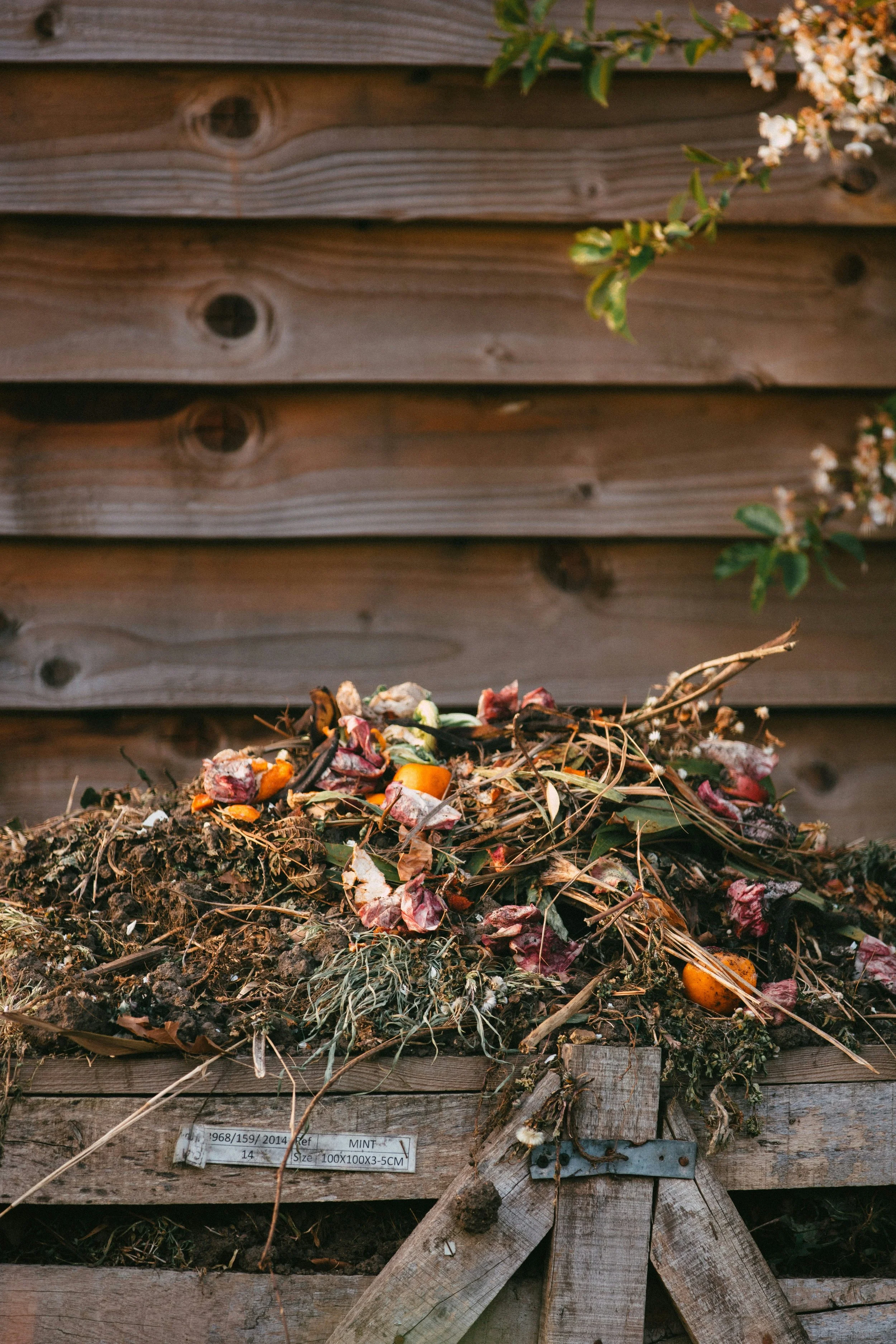
Composting and Biogasification
Composting and biogasification take advantage of the inherent biodegradability of organic waste. In such facilities, yard waste, food waste, and non-recycled paper waste can be broken down to carbon dioxide, water, and compost, a soil-like material. Today, the vast majority of diapers on the market are made of non-compostable materials per composting benchmark tests, and no diaper can claim to be fully compostable or biodegradable. There will be some impact on the environment, and 80% of diapers contain urine and stool, further affecting the environment. It is recommended that disposable diapers be thrown away in household bins and that package instructions be followed for guidance on appropriate disposal. Diapers should not be used in residential composting.
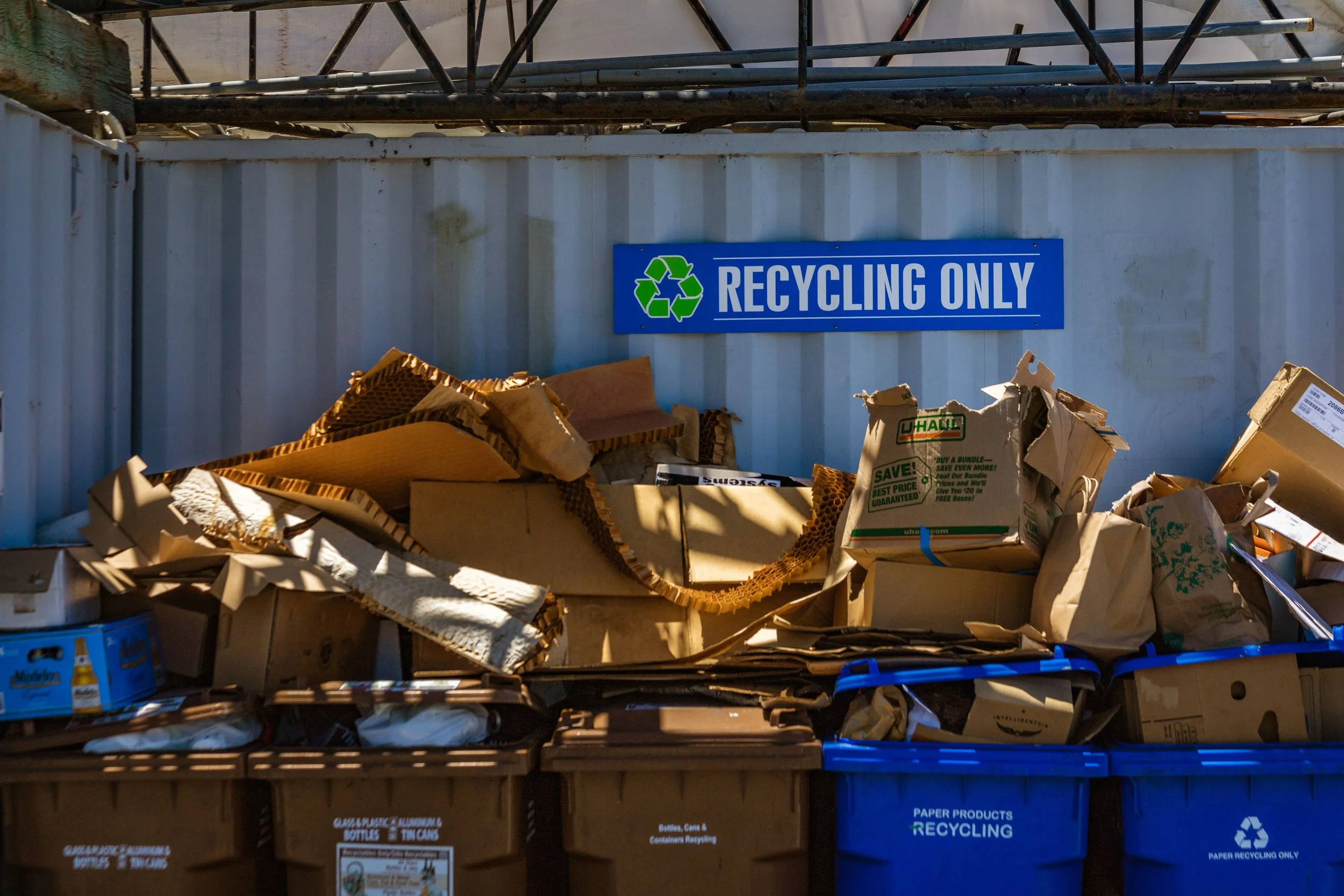
Recycling
It is technically possible to take a diaper apart and recover some components; however, the applicability of large-scale diaper recycling is still limited. A few companies are experimenting to make this kind of recovery economically feasible. The main challenges a company or a city faces in recycling absorbent hygiene products are as follows: a) cost to collect the relatively small fraction of household waste separately from other waste, b) identifying which parts of the recovered plastics or biomass have enough market value in their area, and c) achieving appropriate sterilization and cleaning.
On average, modern disposable diapers can weigh as little as 45 grams or 1.5 ounces, about the weight of an egg. Smaller diapers occupy less space and have allowed a significant reduction in packaging. Overall, the amount of packaging has been reduced by two-thirds since the 1980s. Reduced product and packaging volume also means fewer trucks are needed for transportation, thus decreasing fuel usage and emissions. Packaging has also become more sustainable, transitioning away from using plastic to using more cardboard and paper.
Protecting the Environment through Innovation
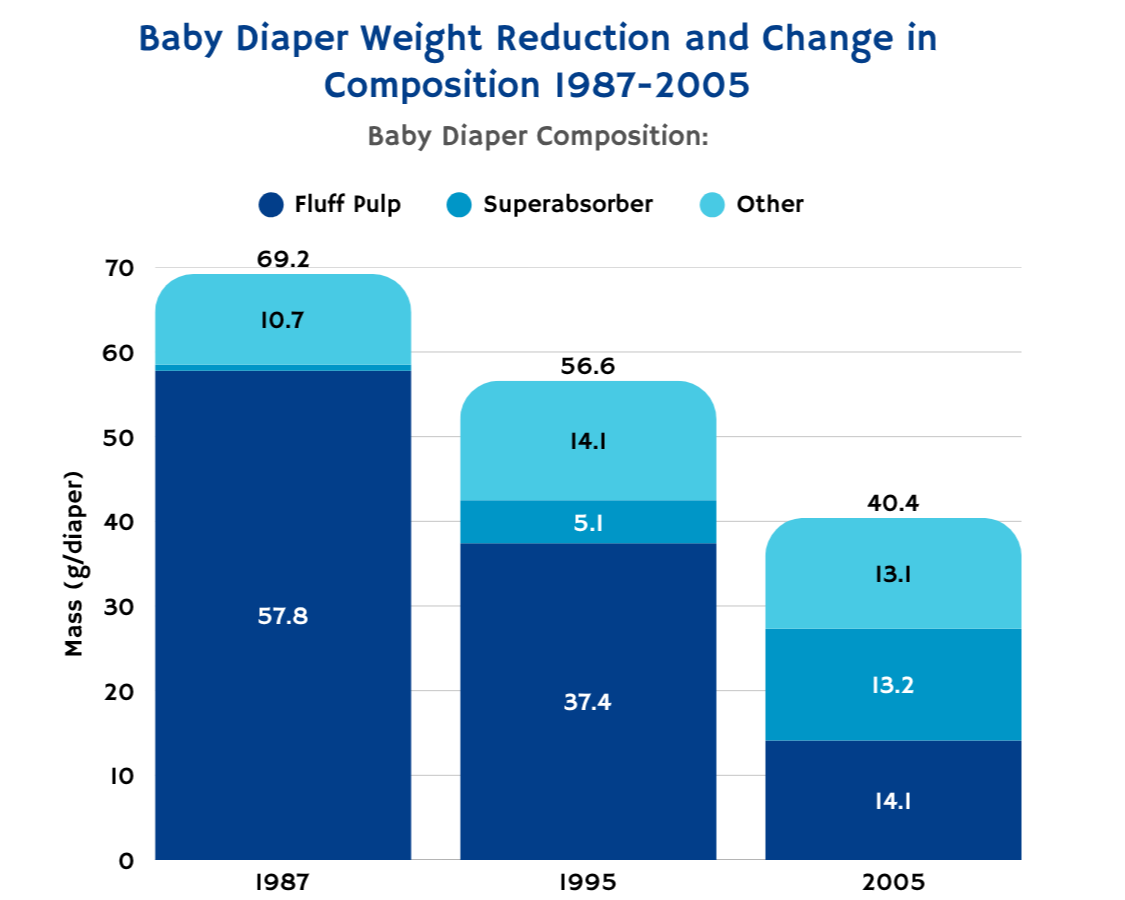
BAHP member companies have not just concerned themselves with the disposal of diapers; they have also been lessening diapers’ environmental impact at the beginning of their life cycle. Through innovation in materials, design, and manufacturing, today’s disposable diaper weighs nearly 40% less than it did in the 1980s. These modern diapers perform better, use fewer raw materials, and generate less waste than ever before.
The most significant innovation has been the continued development of superabsorbent polymers. Compared to cloth diapers and disposable diapers that do not use superabsorbent polymers, these polymers allow disposables to deliver superior performance and improved skin health. The graph below reveals how improvements in superabsorbent polymers and other materials have led to weight decreases (Europe, similar in the U.S.) in diapers. This means fewer resources are used to make diapers.
(EDANA Sustainability Study, 2007)
Life Cycle Assessments
The members of the Center for Baby and Adult Hygiene Products routinely conduct environmental analysis using life cycle assessment (LCA) methodology. This process tracks the environmental impact of a product, beginning with the extraction and use of raw materials, through manufacturing and transportation, and concludes with use and disposal. Such analysis is broadly accepted around the world as the best method of understanding a product’s environmental impact. The chart below shows a diaper’s LCA.
Life cycle analysis takes into account the following categories:
Energy Consumption
Water Consumption
Greenhouse Gas Emissions
Water Emissions
Generation of Solid Waste
A life cycle-based approach checks if improvements in one category are not negated by shifting the impact to another stage in the life cycle, referred to as “environmental tradeoffs”. LCAs can also identify where major opportunities exist to improve environmental performance when changes to materials and diaper design are considered.
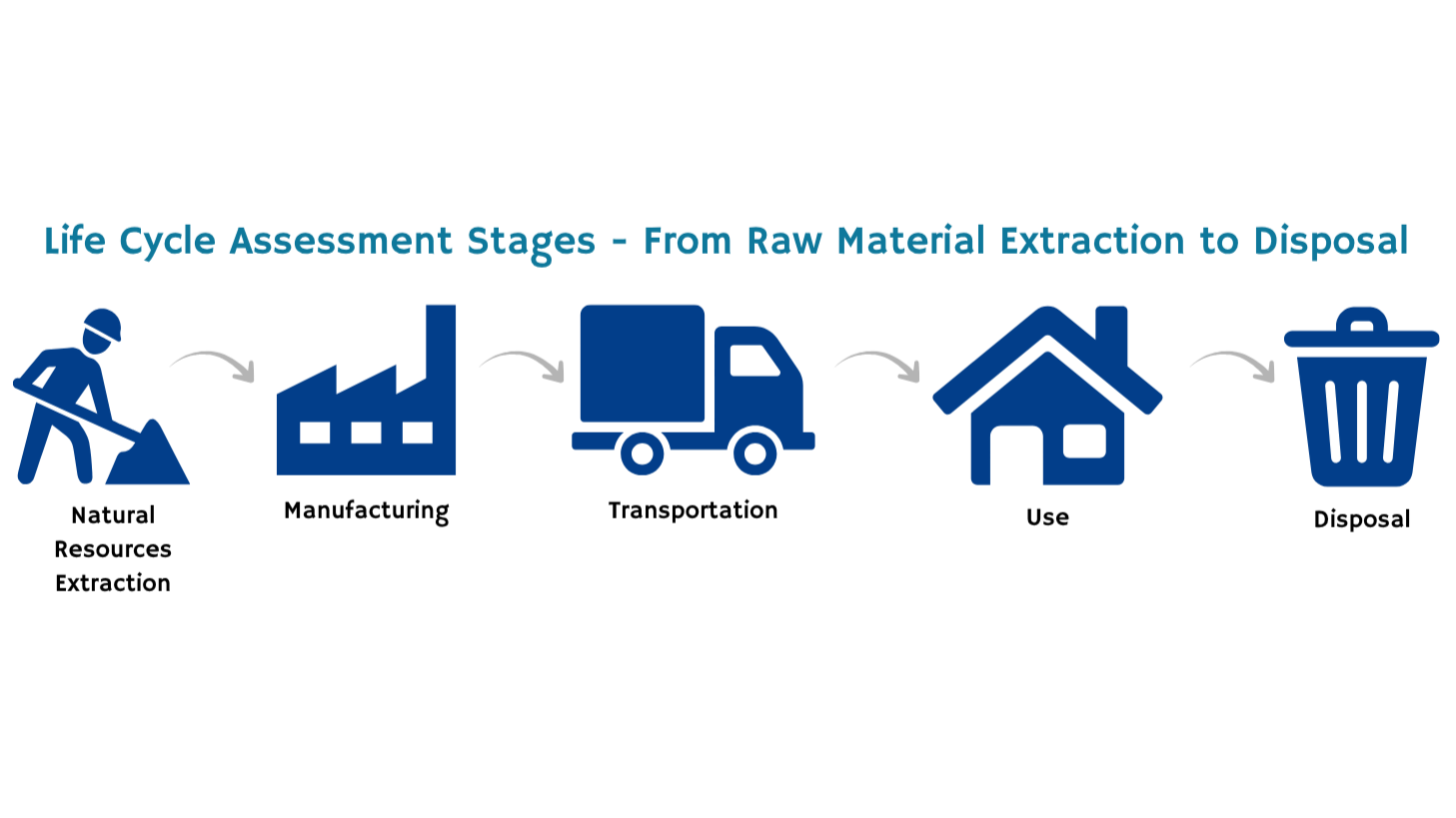
The most recent industry-wide LCA was conducted by the U.K. Department for Environment, Food and Rural Affairs in 2023. The goal of the study was to examine the environmental impact of disposable and reusable diapers over a child’s diapering period, the first 2.5 years of their life. The analysis focused on 18 relevant environmental impact factors, including:
Energy and Water Usage
Global Warming Potential (emissions of greenhouse gases)
Smog or Photochemical Ozone Formation Potential
Ecotoxicity and human toxicity potential
Eutrophication potential (causes ecosystem imbalance)
An Updated Life Cycle Assessment Study for Disposable and Reusable Nappies
Using Life Cycle Assessments to Understand Cloth vs. Disposables
All diapers, cloth or disposable, impact the environment. However, life cycle assessments conducted in the U.S., Germany, Scandinavia, the Netherlands, Canada, and the U.K. since the 1980s all reach the same conclusion: cloth diapers consume more water and produce more waterborne emissions due to laundering (though washing technology can effect this consumption, with cold water washing with a highefficiency machine lessening the environmental impact, for example), while disposables produce more solid waste and consume more natural resources. Despite these differences, LCAs show that both disposable and reusable diapers remain close when considering environmental impact, as environmental impact is dependent on what factors are examined. For parents, this demonstrates that both disposable and reusable diapers represent responsible options, as parents consider other factors in their decision, such as performance, cost, convenience, and the skin sensitivity of their baby.
It is important to examine all aspects of a product’s life cycle, rather than just selecting one, such as solid waste, as the basis for choosing a product. Otherwise, consumers could ignore categories such as energy usage or air and water pollution, which may have a greater impact. Favoring only one part of the life cycle does not offer an overall environmental benefit.
The specific numerical results in recent LCAs differ due to differences in geography, methodology and assumptions (most studies predate international standards), and local energy and waste infrastructure. Despite these differences, these LCAs support the conclusion that all diapering systems have an environmental impact. They all consume raw materials, energy, and water. They all generate some waste to water, air, and land.

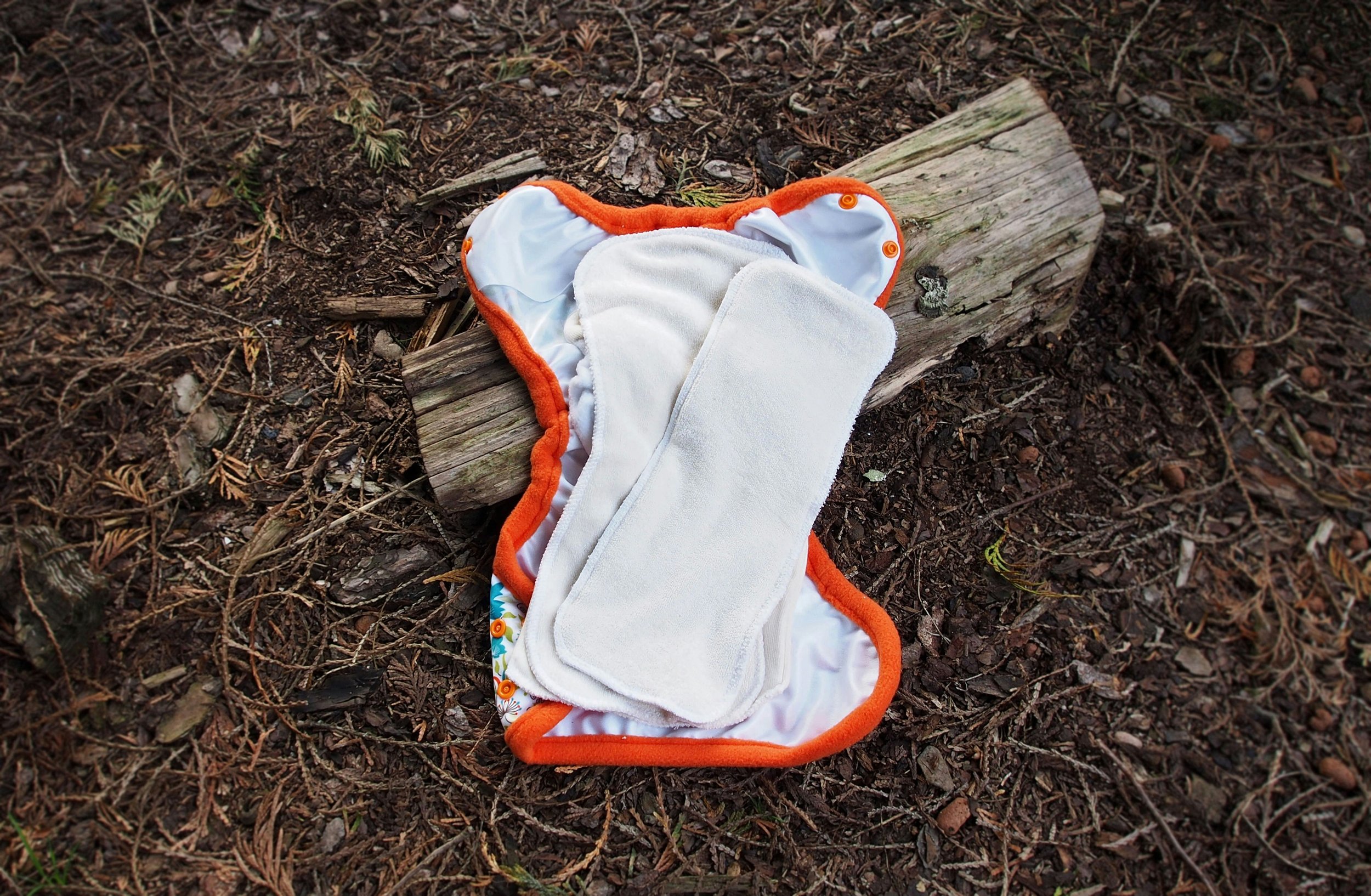
A 2023 analysis published by the U.K. Department for Environment, Food and Rural Affairs (Life Cycle Assessment of Disposable and Reusable Nappies in the U.K. 2023) investigated the cumulative environmental impact of both disposable and reusable diapering systems.
The study found that:
Both diapering systems impact the environment in different ways, which happen at different points in the overall lifecycle of a diaper.
Of the 18 environmental impact factors examined, reusable diapers performed better on 7 factors, while disposable diapers performed better on 11.
For reusable diapers, the highest impact is from washing and drying soiled diapers. Various factors in this process also affect the environmental impact, such as whether you pre-soak the diapers, wash them individually or with other clothes, using hot or cold water, tumble-drying or air-drying, the kind of energy used, how long you reuse a diaper before replacing it, and the use of other skin care products like baby powder.
For disposable diapers, the environmental impact mainly comes from the sourcing and production of diaper materials and the disposal of used products.
Since the previous LCA conducted by the U.K. in 2005, innovations in diaper design and material usage have reduced the carbon footprint of both reusable and disposable diapers.